
Copper Grades for Busbars: Do You Really Need Oxygen-Free Copper?
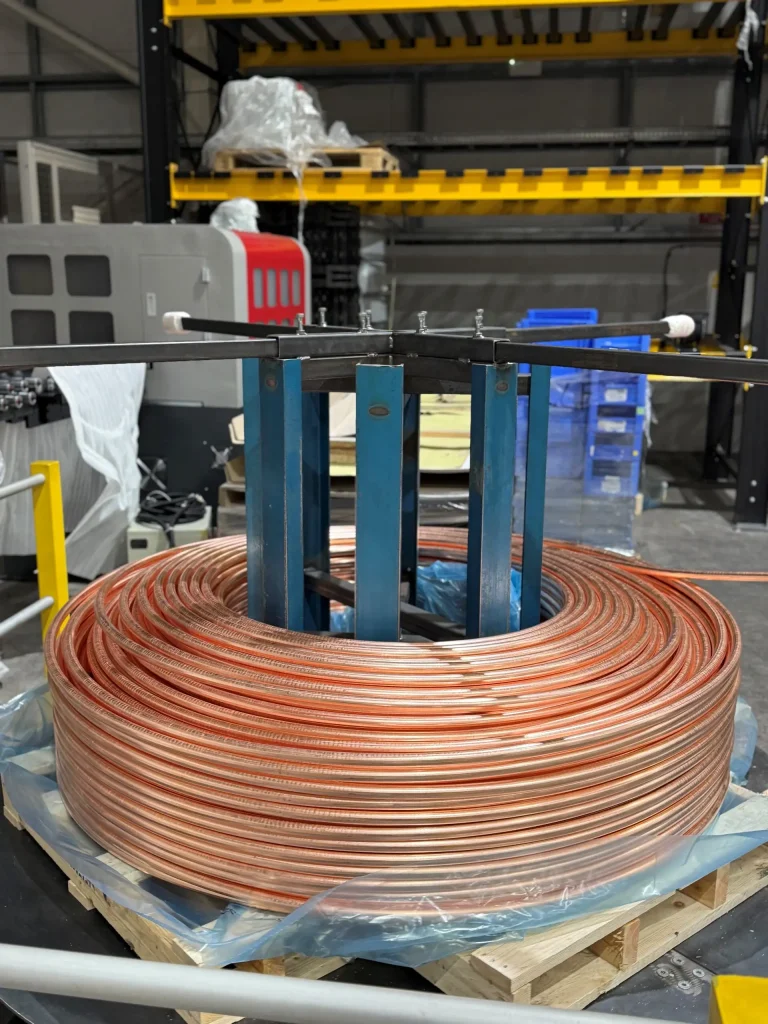
If you are specifying copper grades busbars for switchgear, power distribution, or industrial systems, you will quickly run into a common question: Do we really need oxygen-free copper? It is easy to assume “oxygen-free” must be better. In reality, many busbar projects perform perfectly well with standard electrical grades, and over-specifying can add cost and […]
Deburring and Edge Finishing for Busbars: Small Details, Big Reliability Gains
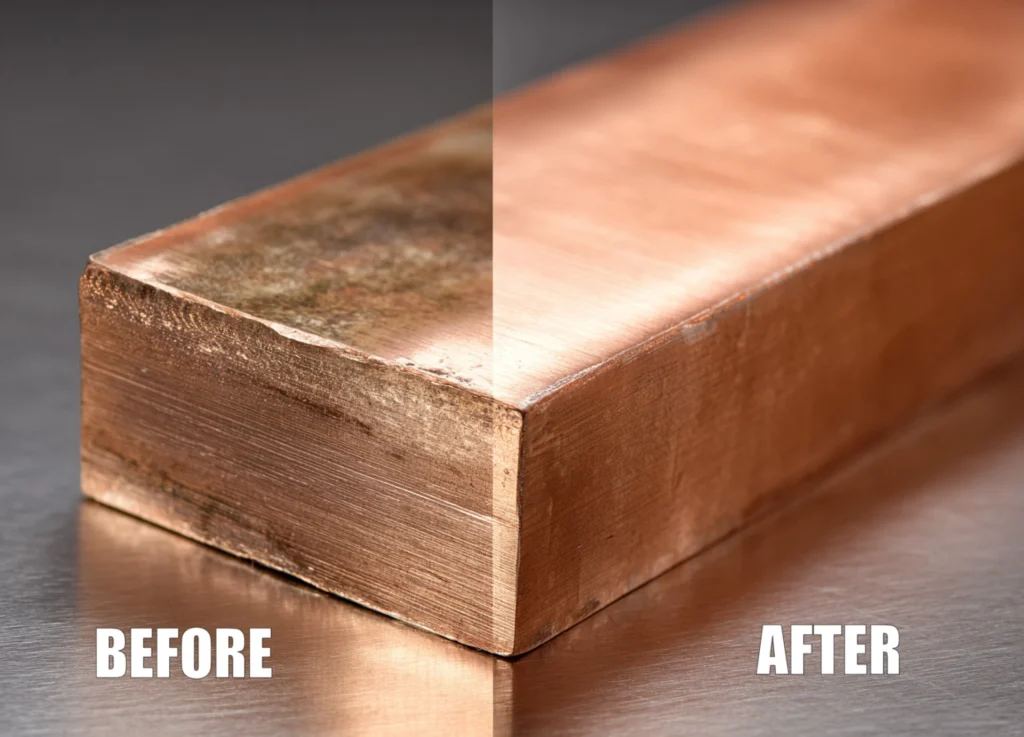
When people think about busbar reliability, they usually focus on the obvious things: current rating, heat rise, fault level, and the joint design. But in day-to-day manufacturing and maintenance, some of the biggest headaches start with something far simpler. At ILF, we see it often. A busbar can be perfectly sized and beautifully laid out, […]
How Copper Busbars Are Manufactured: From Raw to Conductor
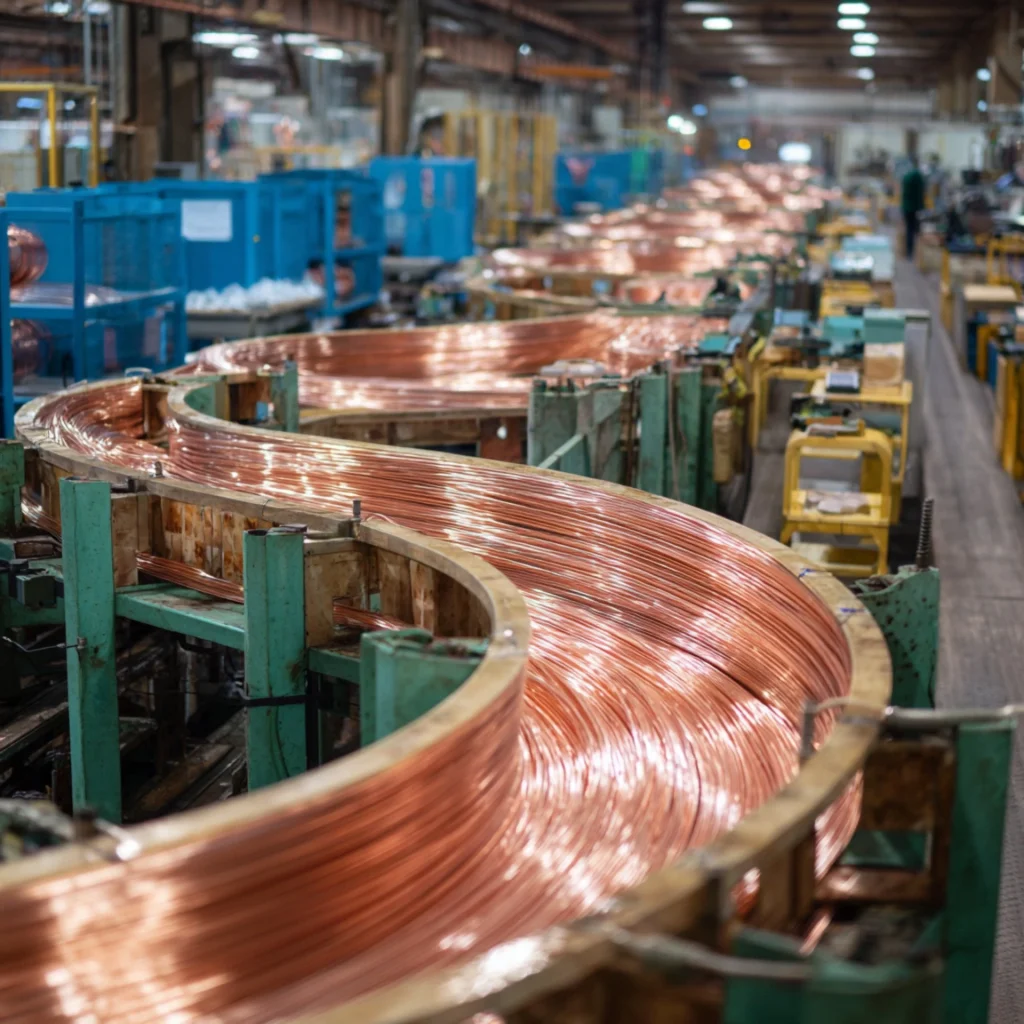
Copper busbars are important parts of modern electrical systems because they work as key conductors to move electricity quickly and efficiently between different industrial and business uses. These strong copper strips have high conductivity and durability, which are necessary for safe and reliable energy transfer. Engineers can use them in switchboards, distribution panels, or electrical […]
Copper Busbars and the Future of Energy Distribution
Copper busbars are fundamental components in the infrastructure of modern energy distribution systems. These solid or hollow bars made of copper conduct electricity within a switchboard, distribution board, substation, battery bank, or other electrical apparatus. Their high conductivity and flexibility in terms of size and shape make them ideal for enhancing electrical efficiency and safety, […]