
Rail

Copper, aluminium and precision metal components supplied for rail, transport and specialist engineering applications.

Rail Metal Supply and Components

ILF Ltd supports rail and transport supply chains with copper, aluminium and specialist metal products for demanding technical applications.

Our team can help with copper and aluminium busbars, copper wire, flexible busbars, laminated connectors, extrusions, machined components and finishing services.

Rail applications often require materials that balance electrical conductivity, strength, low weight, vibration resistance, corrosion resistance and long-term durability. ILF can support these requirements through practical material advice and manufacturing capability.

What Metals are Used in Rail Applications?

Rail applications use different metals depending on the system, environment and performance requirement.

Copper is commonly used where reliable electrical conductivity and current transfer are important. Aluminium is widely used where low weight, strength and corrosion resistance matter.

Brass, bronze and stainless steel can also support specialist fittings, machined parts, assemblies and engineered components.

Copper Flat Bar

Discuss Your Requirements with an Expert Today

Why Choose ILF for Rail Metal Supply?

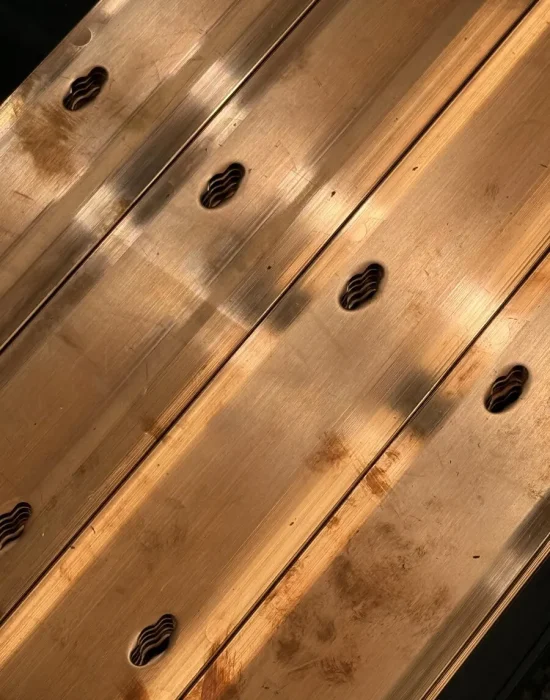
Copper bars are used in many industries because they are good at conducting electricity, handling heat, and not rusting. Our flat bars are a good choice for your next project because of the following:

2

Vibration and Durability

Copper and specialist metal components can support applications exposed to movement, vibration and demanding operating conditions.

1

Electrical Performance

Copper busbars, flexible busbars and laminated connectors can support rail power distribution and electrical connection requirements.

3

Lightweight Materials

Aluminium products and extrusions can support rail applications where reduced weight and strength-to-weight ratio are important.

4

Precision Manufacture

Components can be cut, punched, bent, machined, plated and finished to suit drawings or specifications.

Flat Bar Sizes

ThicknessWidthTemperLength
12mm12mm - 200mmS, HH, HUp to 6000mm
10mm10mm - 250mmS, HH, HUp to 6000mm
8mm20mm - 250mmS, HH, HUp to 6000mm
6mm6mm - 250mmS, HH, HUp to 6000mm
5mm10mm - 250mmS, HH, HUp to 6000mm
3mm10mm - 250mmS, HH, HUp to 6000mm

Available Grades

British Standard (BS)Other DesignationsNominal Composition
C101CW004A,C110,Cu-ETPCu 99.90% min
C103CW008A,C10200,Cu-OFCu 99.95% min
C109CW118C,C14500,CuTeCu 99%, Te 0.5%
C111CW114C,C14700,CuSPCu Rem, S 0.2%, Ph 0.003%
Copper Flat Bar

Rail Components Built Around Your Requirements

Electrical Systems

Copper and aluminium busbars can support power distribution, control systems and specialist rail electrical assemblies.

Contact and Connection Parts

Copper products can support electrical contacts, connectors and conductive components where reliable current transfer matters.

Lightweight Engineering

Aluminium materials and extrusions can support applications where reduced weight, strength and corrosion resistance are important.

Advanced Manufacturing

ILF can support cutting, punching, bending, CNC machining, plating and finishing for suitable rail components.

Rail Metal FAQs

What rail products can ILF support?

ILF can support copper busbars, aluminium busbars, flexible busbars, laminated connectors, copper wire, extrusions, machined parts and specialist metal components.

What materials can ILF supply for rail applications?

We can support copper, aluminium, brass, bronze and stainless steel requirements, depending on the application and specification.

Can ILF manufacture rail components to a drawing?

Yes. We can work from drawings, samples, dimensions and technical specifications.


Why is copper used in rail applications?

Copper is used where electrical conductivity, durability, vibration resistance and reliable current transfer are important.

Why is aluminium used in rail applications?

Aluminium is used where low weight, corrosion resistance, formability and strength-to-weight ratio are important.

Can ILF support rail electrical systems?

Can ILF support rail electrical systems?

Can ILF advise on material suitability?

Yes. Our team can review your specification, drawing or application details and advise on suitable material and production options.