
Nickel Plating for Busbars and Connectors: Where It Makes Sense
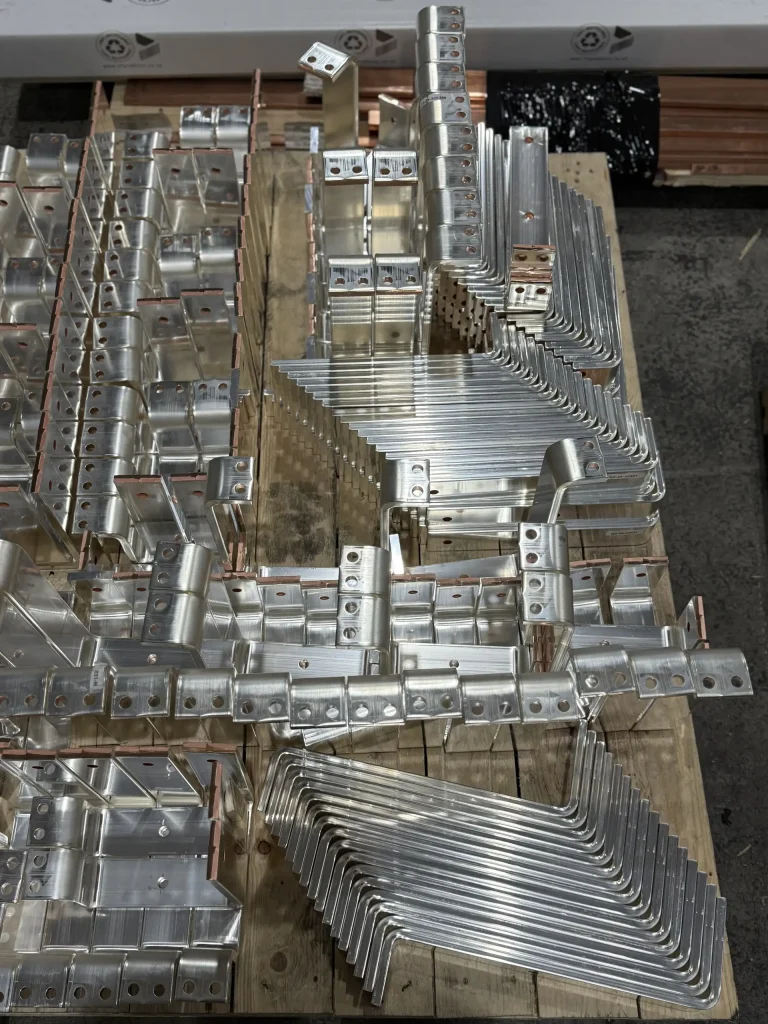
Nickel plating can be a sensible upgrade for busbars and connectors, but it is not a universal win. In the real world, it usually comes down to the environment the parts will live in, how often joints are opened and re-tightened, and how stable you need the electrical contact to remain over time. At ILF, […]
Busbar Hot Spots: The 7 Most Common Causes and How to Fix Them
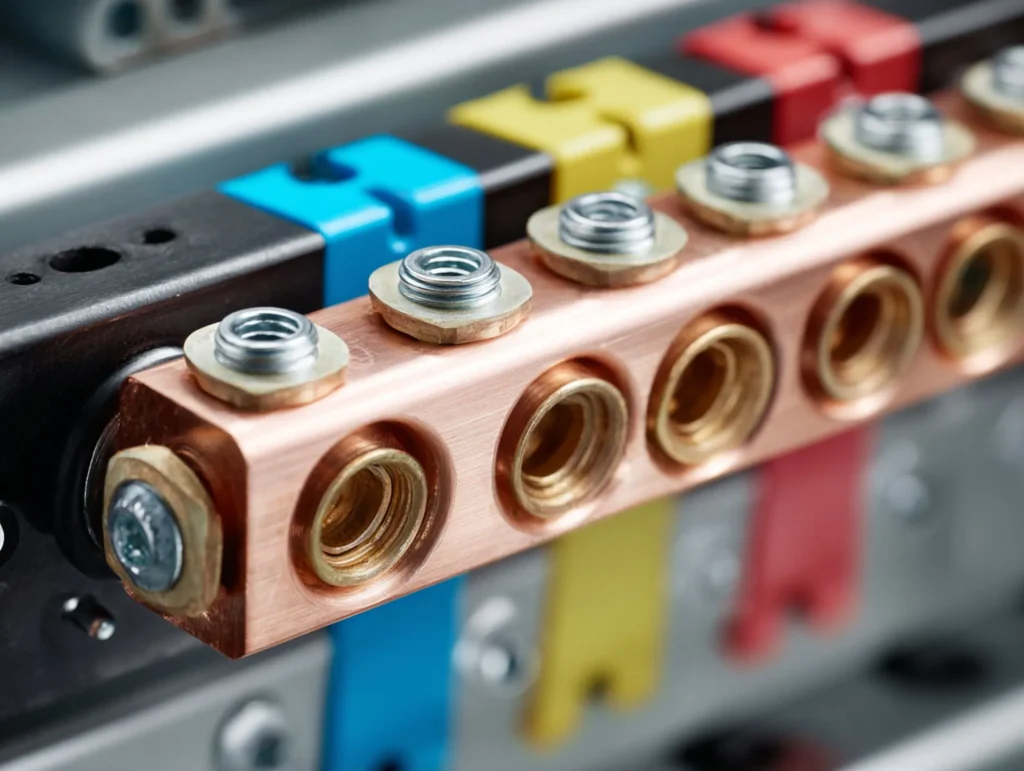
A hot spots on a busbar can look like a small issue, but it often points to a bigger problem: unwanted resistance where current should flow freely. The good news is that most hot spots have familiar, fixable causes. With a calm, methodical approach, electrical teams can identify the root issue, make a safe repair, […]
How to Choose the Right Brass Grade for Your Project
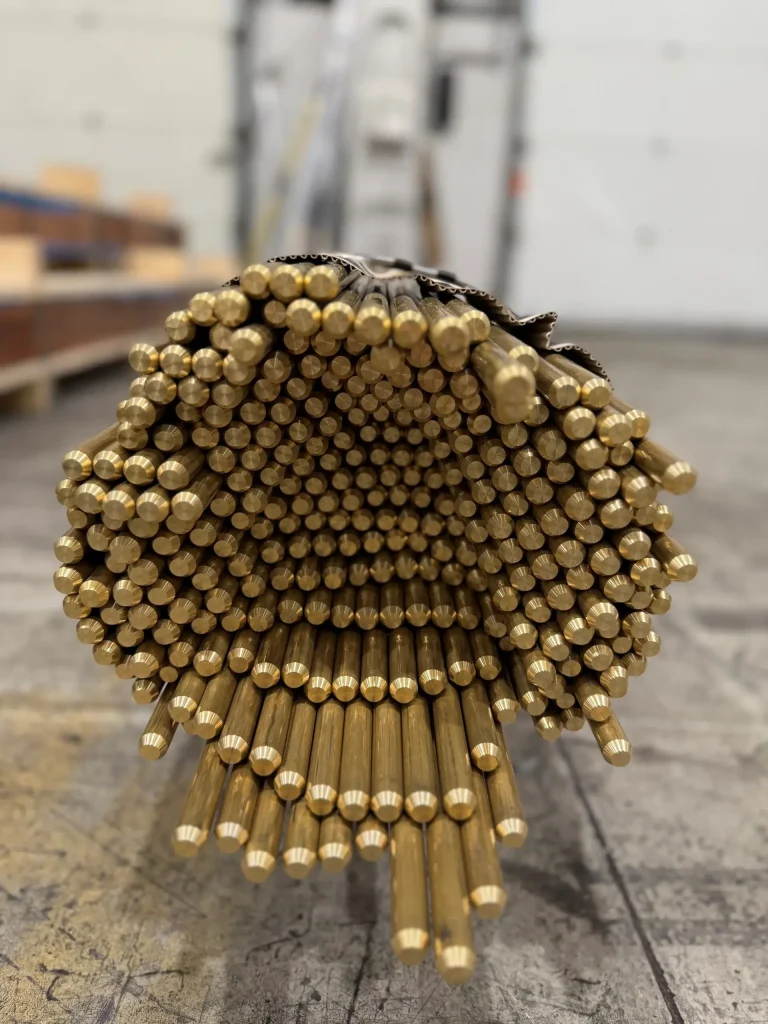
Brass can look simple on a quote, but the grade you choose affects corrosion resistance, machinability, finish quality, and how reliably your parts fit together. Whether you are buying brass sheet metal for a formed cover, brass rod for turned components, or brass fittings for assemblies, a small change in grade can make a big […]
6082 vs 6061 Aluminium: Which Alloy Suits UK Builds?
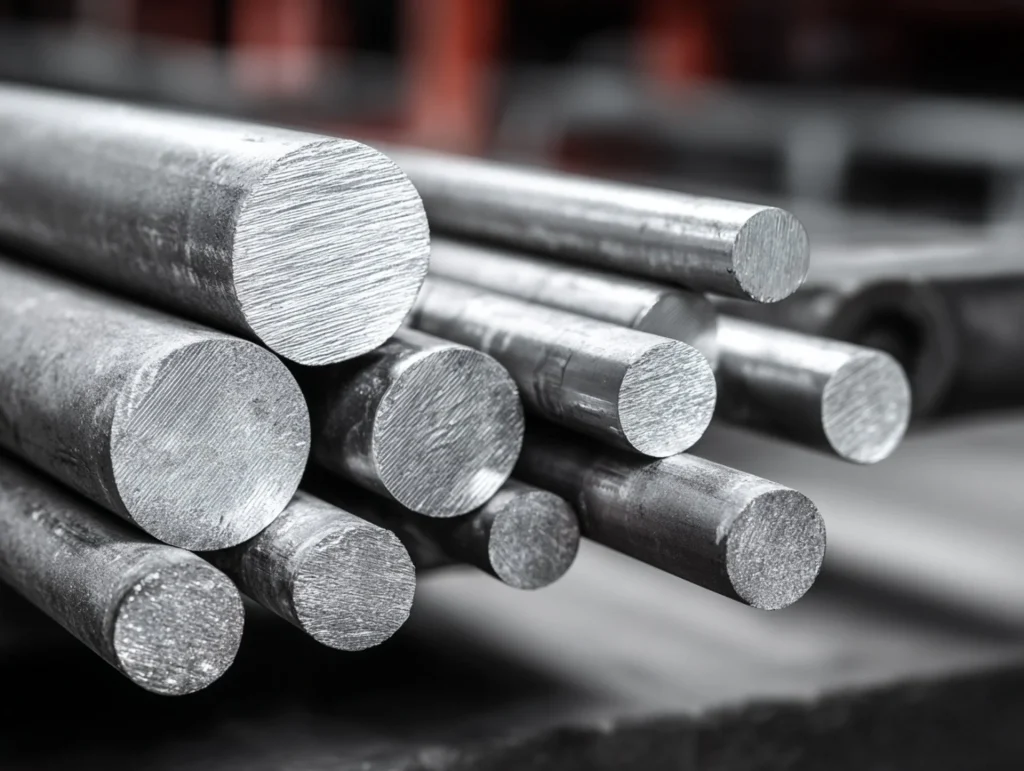
Choosing the right aluminium alloy can influence everything from machining performance to long-term reliability in finished parts. For British manufacturers and engineers, 6082 and 6061 aluminium alloys are two of the most widely used grades for components, structures, and fabricated assemblies. Both deliver a strong balance of strength, corrosion resistance, and machinability, but they aren’t […]
Deburring and Edge Finishing for Busbars: Small Details, Big Reliability Gains
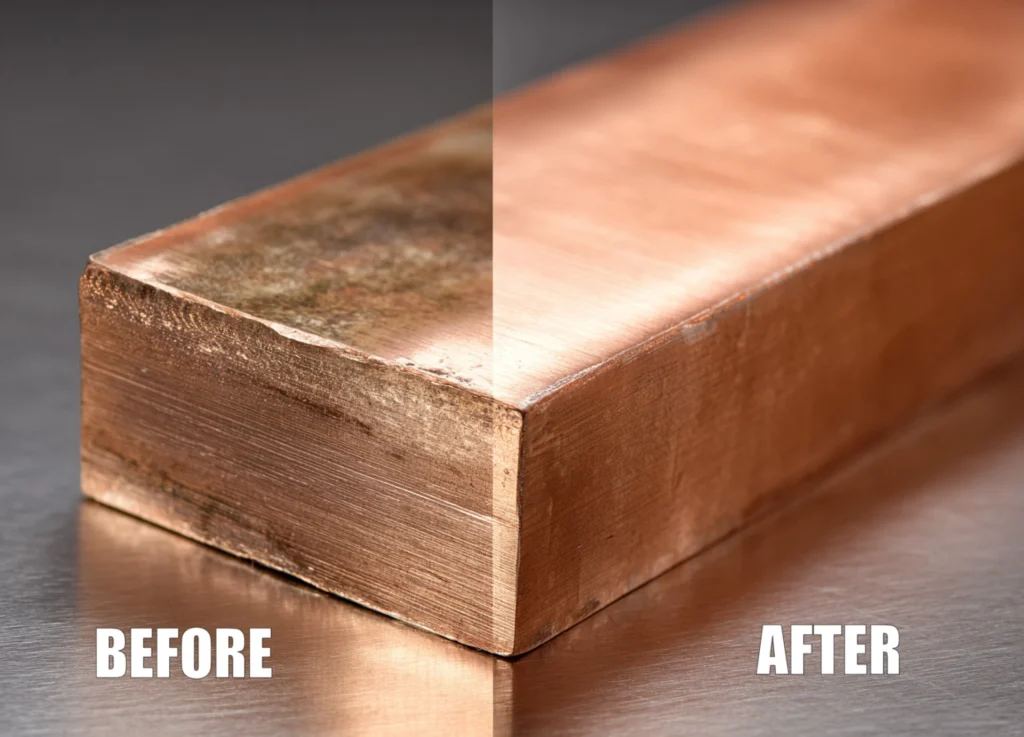
When people think about busbar reliability, they usually focus on the obvious things: current rating, heat rise, fault level, and the joint design. But in day-to-day manufacturing and maintenance, some of the biggest headaches start with something far simpler. At ILF, we see it often. A busbar can be perfectly sized and beautifully laid out, […]
How to Clean Aluminium the Right Way: A Simple Guide

Aluminium is widely used in homes, vehicles, and workplaces because it is lightweight, durable, and resistant to corrosion. From kitchen utensils to window frames, aluminium items are everywhere. However, without proper care, it can lose its shine and develop dull patches or white spots. This guide explains how to clean aluminium effectively while protecting it […]
Top Benefits of Using Aluminium Extrusions Over Steel
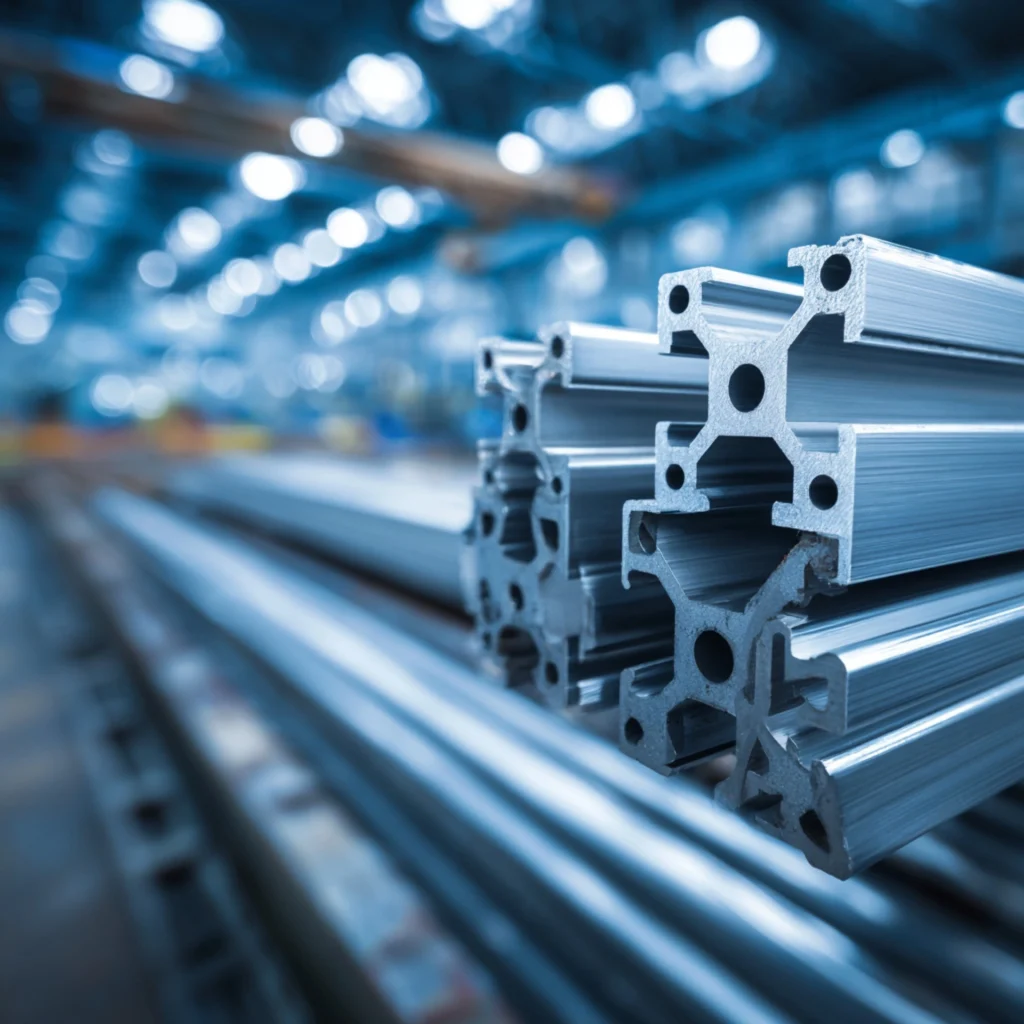
When choosing materials for manufacturing, engineering or construction projects, the comparison between aluminium extrusions and steel is one that professionals often revisit. With greater emphasis on lightweight design, sustainability and cost efficiency, aluminium extrusions are becoming the preferred alternative to traditional steel. This shift is not simply a trend but a result of advancements in […]
Best Practices for Installing Aluminium Busbars in Electrical Panels
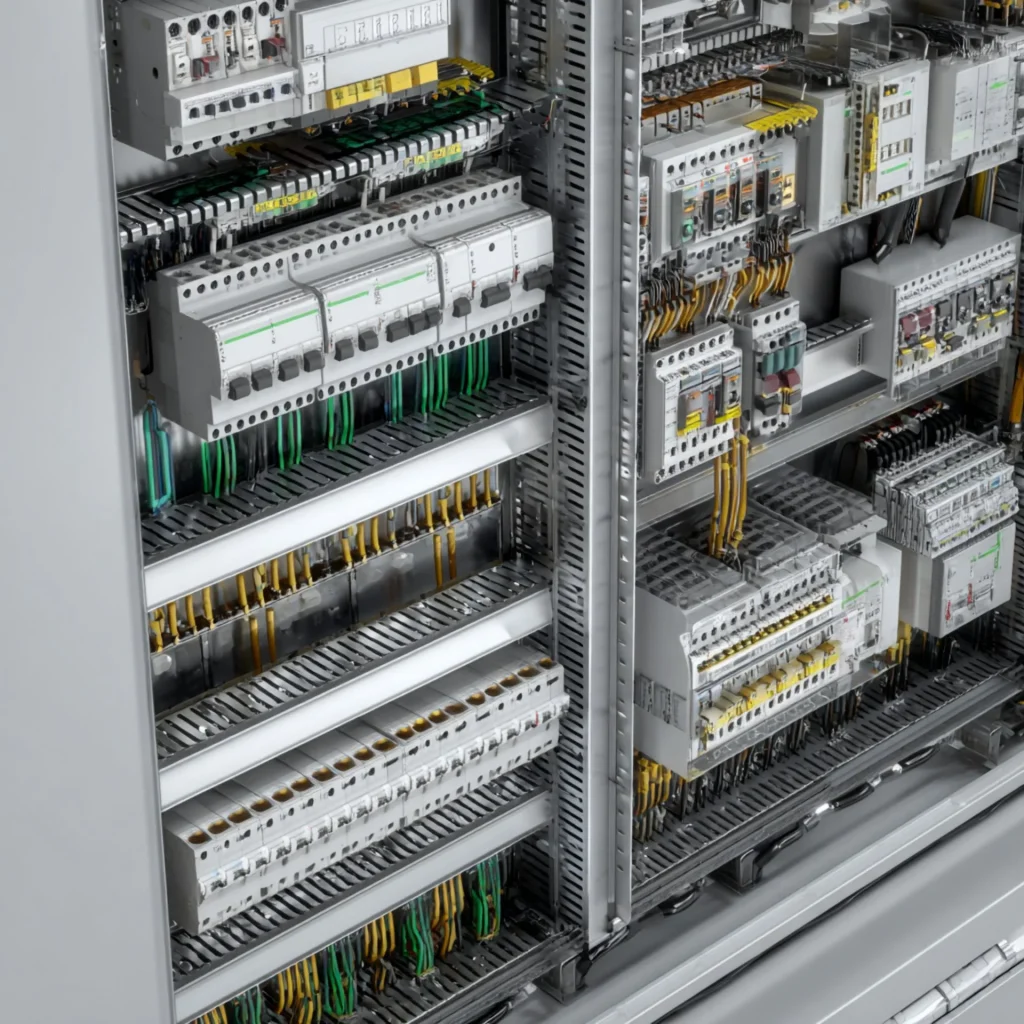
Aluminium busbars play an important role in modern power distribution. They offer a lightweight and cost-effective solution for electrical panels used in commercial, industrial and residential settings. Installing them correctly is essential for safety, performance and compliance with UK electrical standards. This guide explores the best practices for installing aluminium busbars, addressing preparation, installation, maintenance […]
The Ultimate Guide to Aluminium Extrusion: Everything You Need to Know
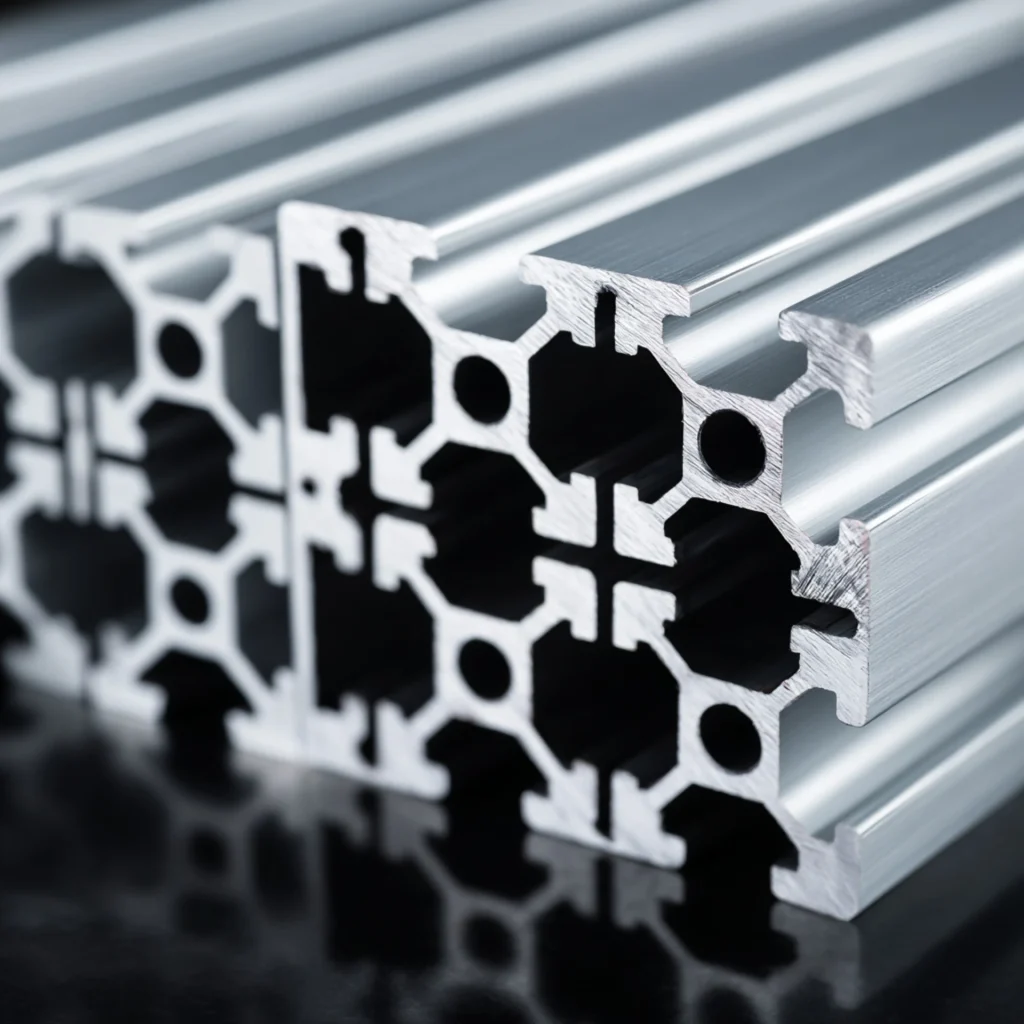
Aluminium extrusion plays a vital role in a wide range of industries across the UK, including construction, automotive manufacturing, engineering and aerospace. Whether you are new to the process or simply want a deeper understanding of how it works, this guide is designed to provide clear, practical insights based on real-world applications. With this guide, […]
How Copper Busbars Are Manufactured: From Raw to Conductor
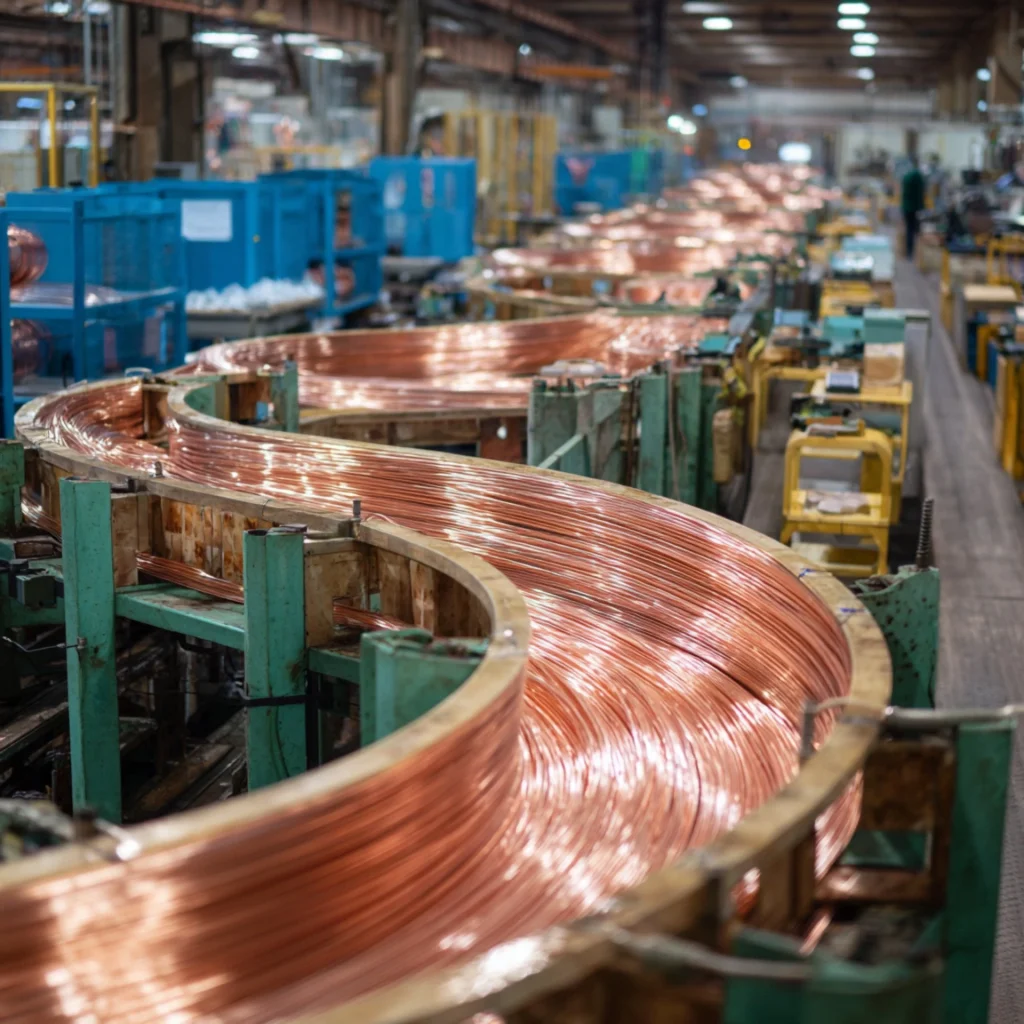
Copper busbars are important parts of modern electrical systems because they work as key conductors to move electricity quickly and efficiently between different industrial and business uses. These strong copper strips have high conductivity and durability, which are necessary for safe and reliable energy transfer. Engineers can use them in switchboards, distribution panels, or electrical […]