
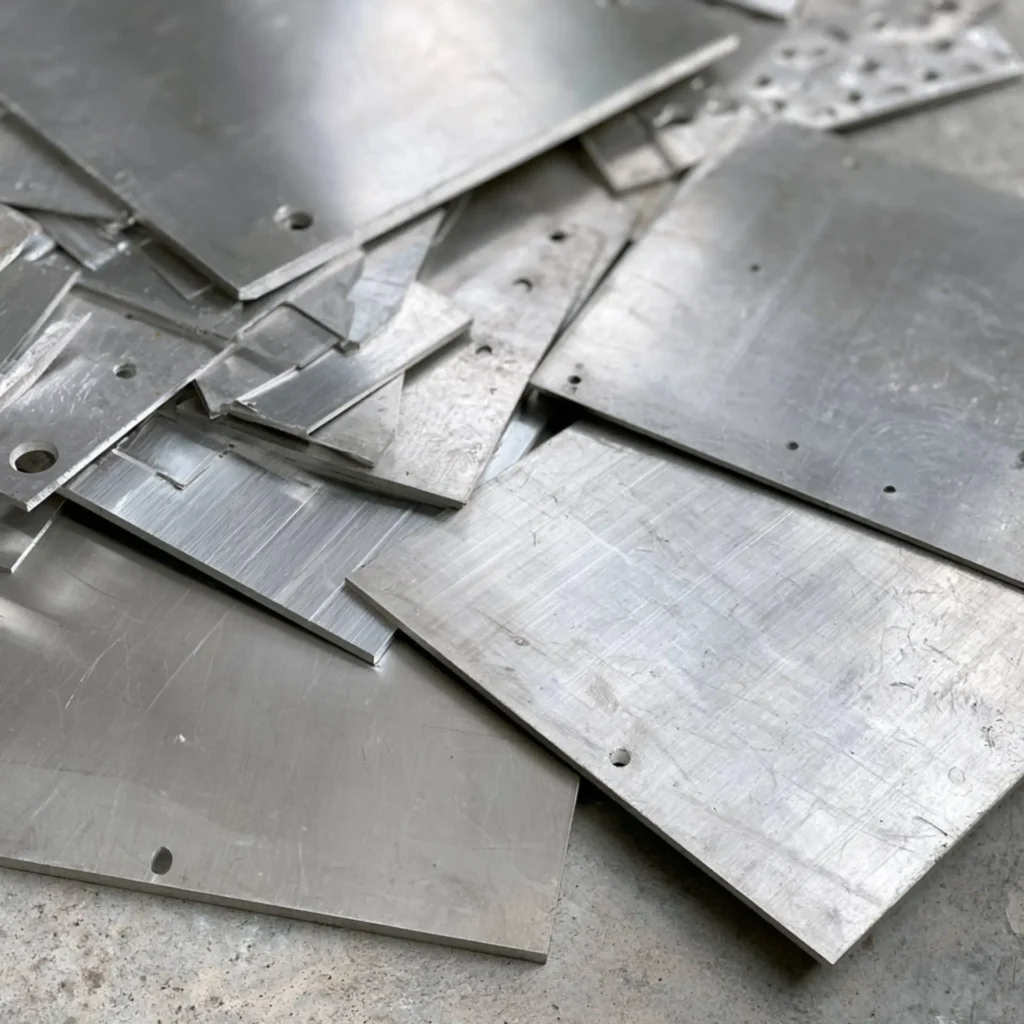
5083 vs 6082 Aluminium: Which Alloy Is Better for Fabrication?
Choosing between 5083 and 6082 aluminium depends on the finished component, not on which alloy is universally “better”. For most fabrication projects,...
Read More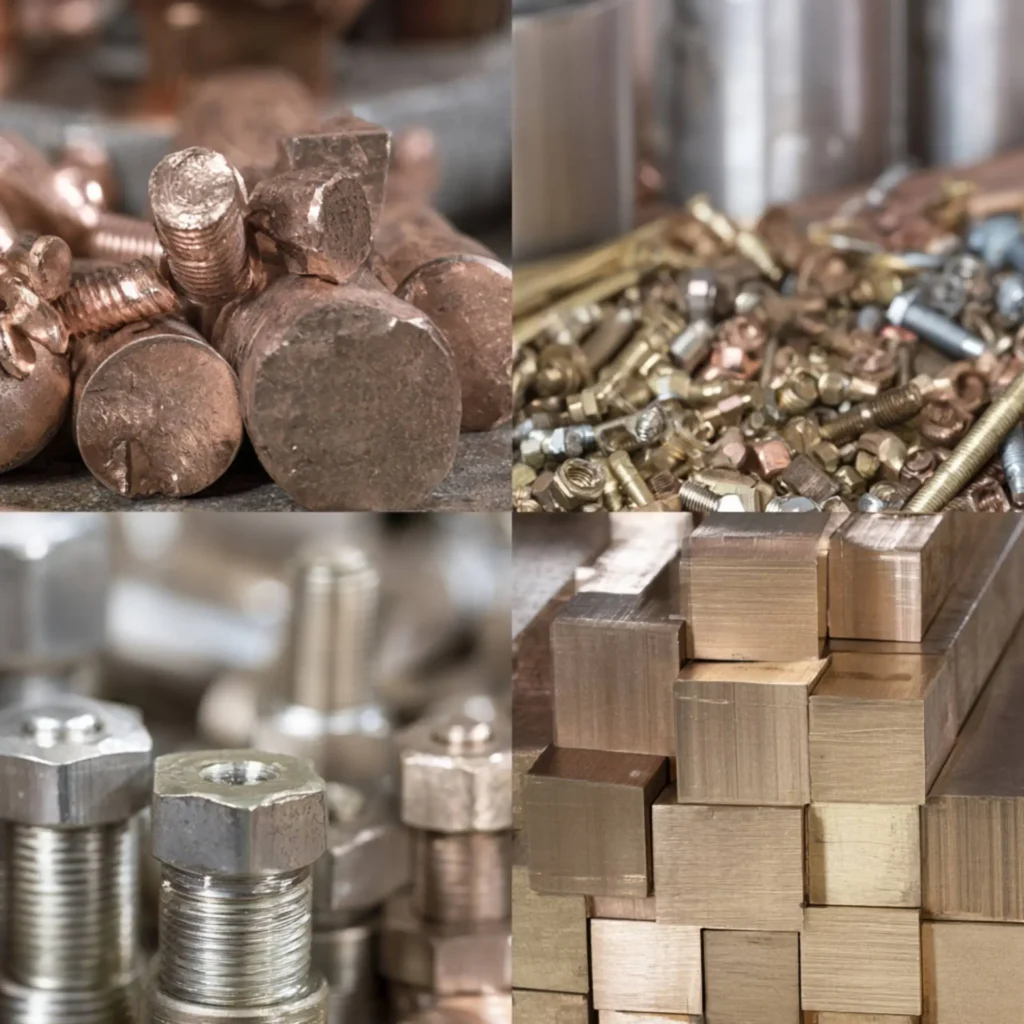
Copper vs Brass vs Bronze: Which Material Should You Choose for Your Component?
Choosing between copper, brass, and bronze depends on what the component needs to do. Copper is generally the first choice where electrical...
Read More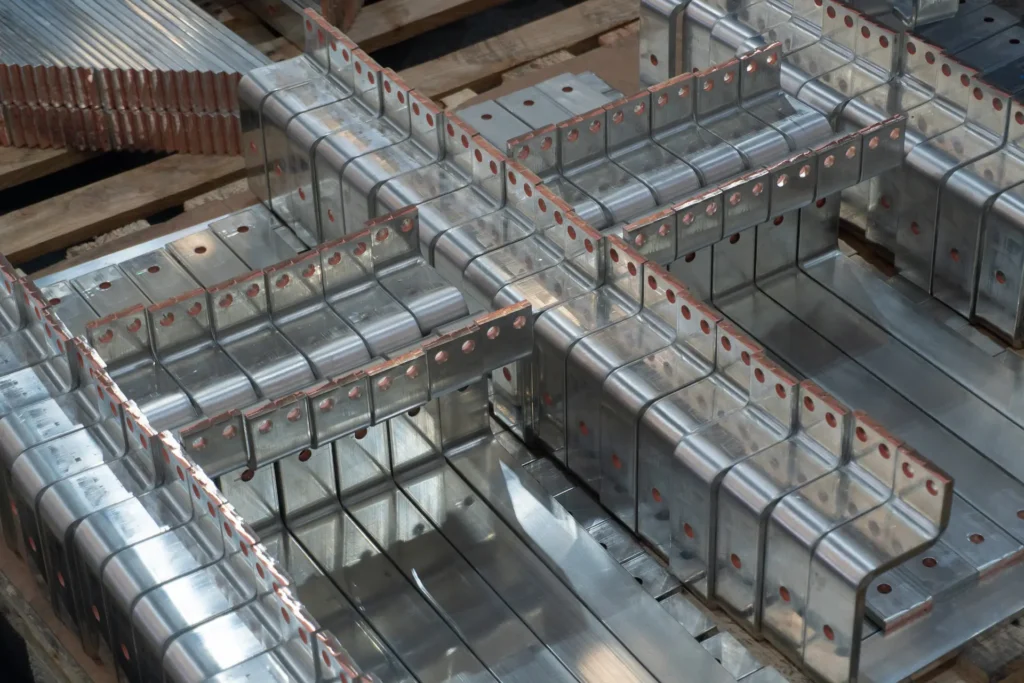
Choosing a UK Copper and Aluminium Supplier: What Trade Buyers Need to Know
For engineers, manufacturers and procurement teams, sourcing copper and aluminium is rarely as simple as finding a material in the right thickness...
Read More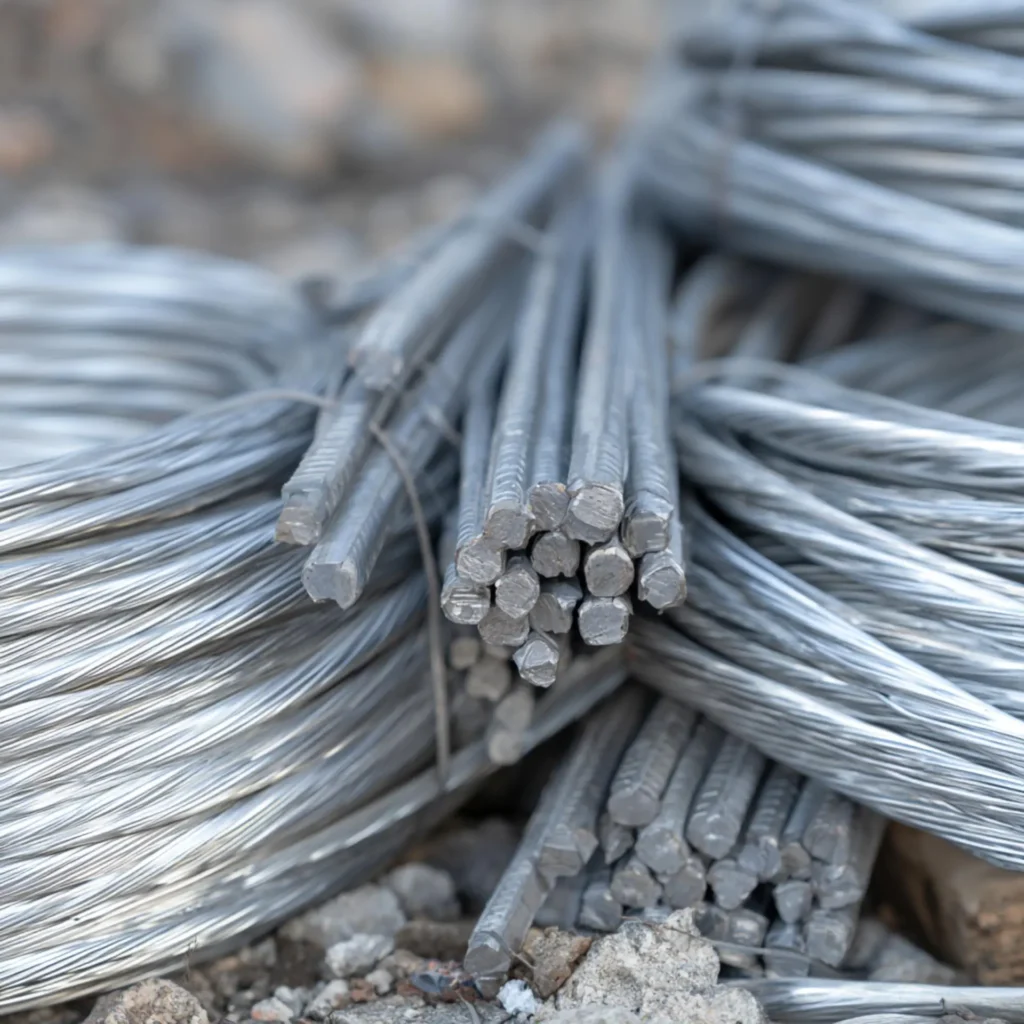
Aluminium Busbars for Electrical Conductors: When Is Aluminium the Right Choice?
For engineers, manufacturers and procurement teams, choosing the right conductor material is rarely as simple as comparing conductivity figures. Electrical performance matters,...
Read More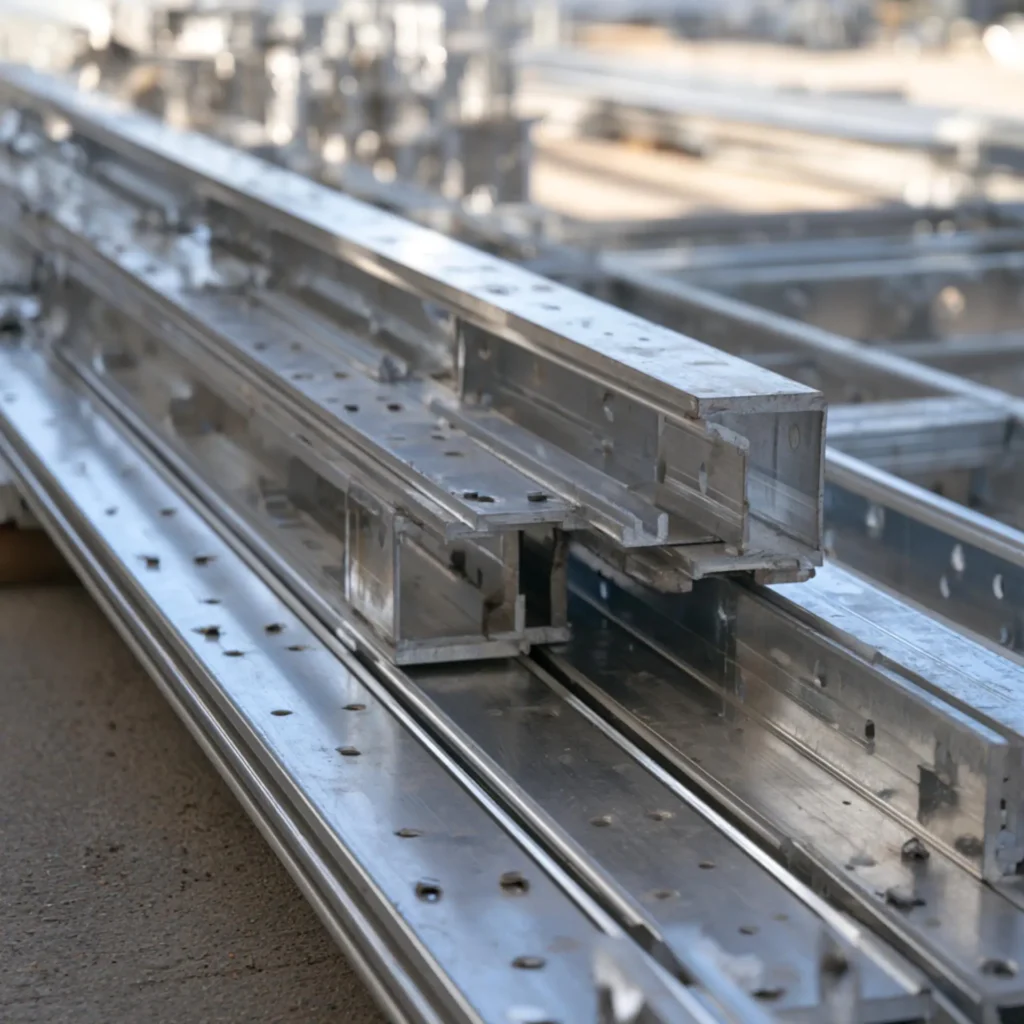
Effective Ways to Improve Heat Dissipation with Aluminium Busbars
Heat is an unavoidable consideration in any electrical power distribution system. Wherever current meets electrical resistance, some energy is converted into heat....
Read More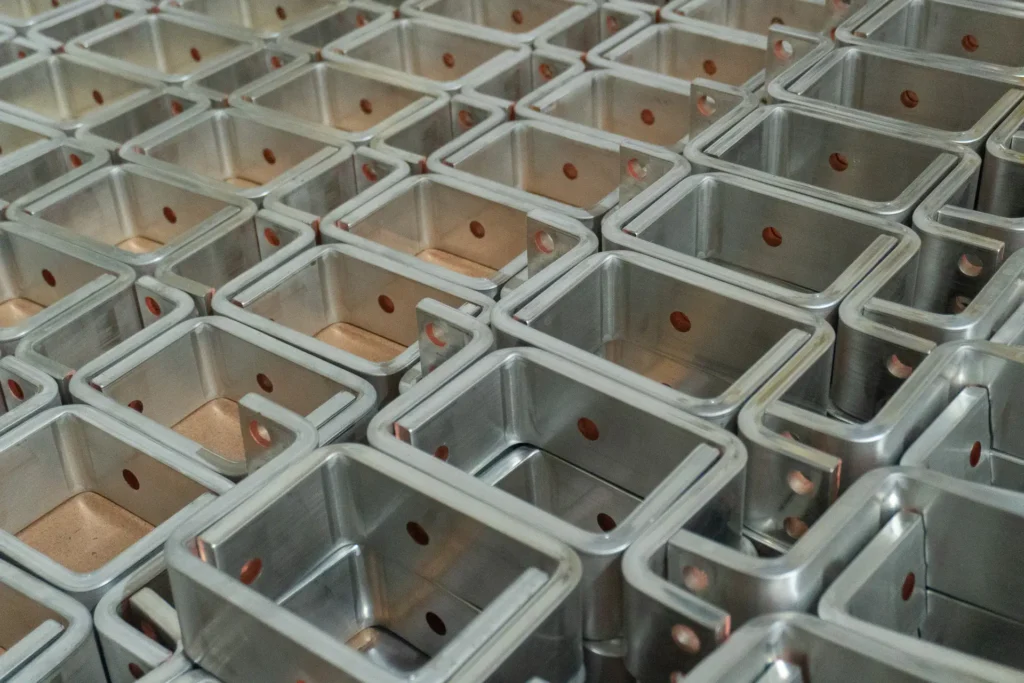
How Aluminium Busbars Are Powering the Future of Data Centres
Data centres depend on stable, efficient and carefully planned electrical infrastructure. As demand grows for cloud computing, AI workloads, streaming, data storage...
Read More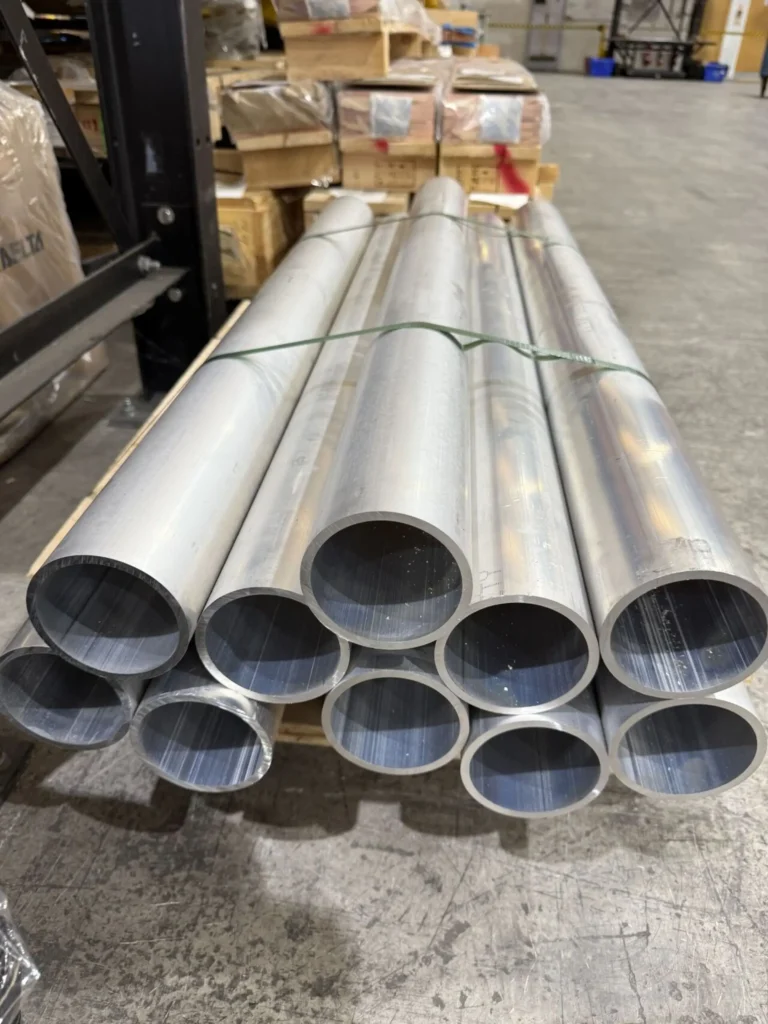
What Are Aluminium Busbars and Where Are They Used?
Aluminium busbars are widely used to carry and distribute electrical power inside panels, enclosures, switchgear, battery systems, machinery, and larger power distribution...
Read More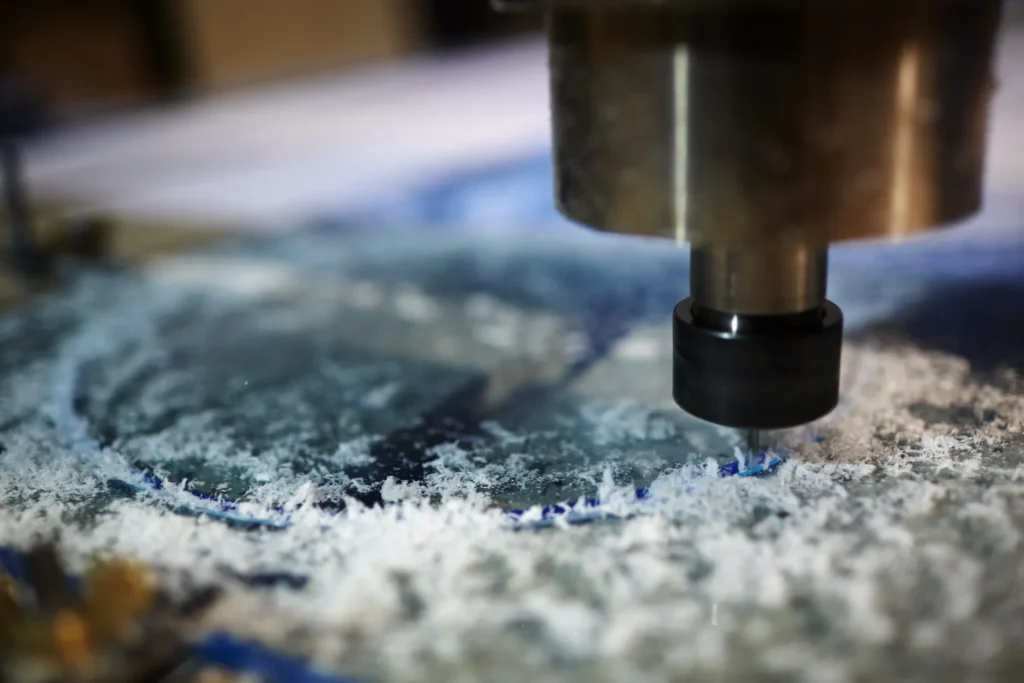
What Is CNC Machining? A Guide to Precision Metal Components
CNC machining is one of the most reliable ways to produce accurate metal components for engineering, electrical, industrial and manufacturing applications. Whether...
Read More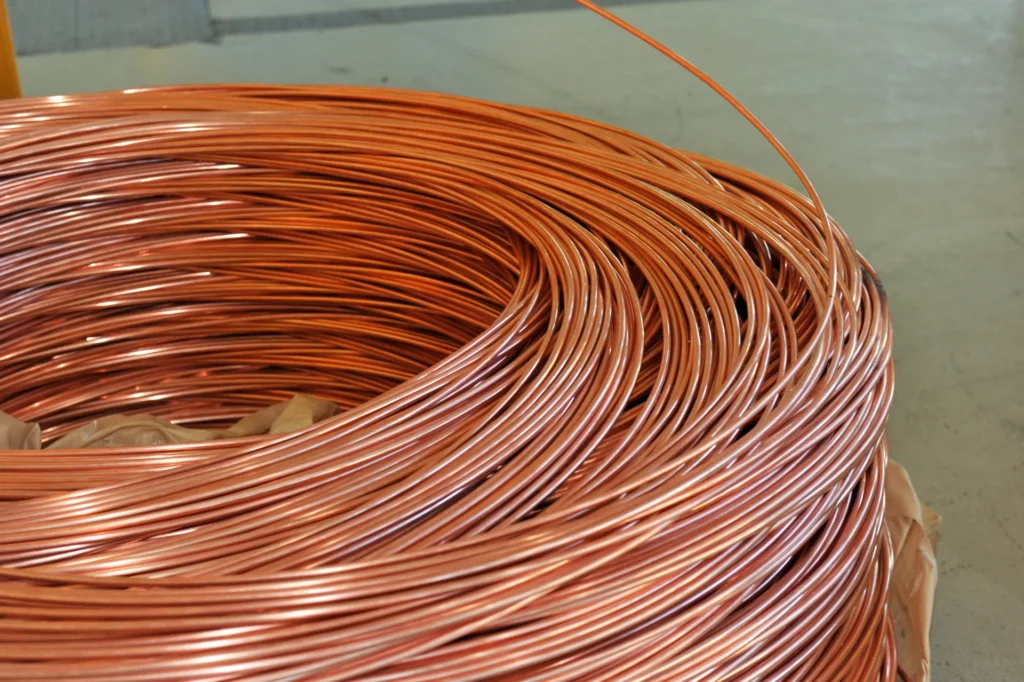
How Is Copper Wire Used in Modern Manufacturing and Engineering?
Copper wire is one of the most widely used materials in manufacturing and engineering because of its strength, ductility, and excellent electrical...
Read More